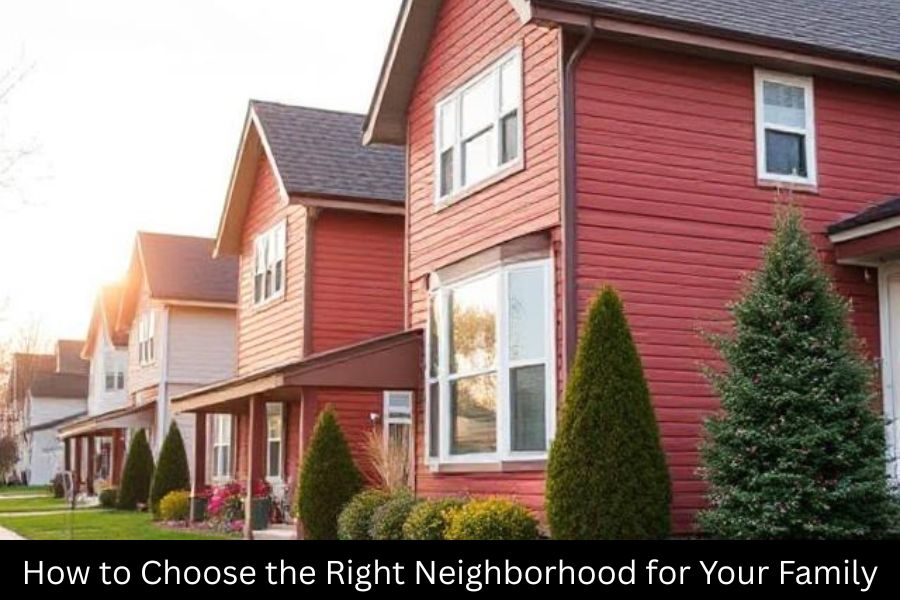
When you’re searching for a home, most people think about stick-and-brick stuff — like how many bedrooms it has, whether there’s a garage, and if the paint color matches your vibe. But the neighborhood you choose? That often makes or breaks your family’s everyday life. After all, where you live isn’t just an address — it’s where your kids grow up, where memories are made, and where your day-to-day routines unfold. Whether it’s the walk to school, weekend bike rides, or how far you drive to the grocery store, every little detail counts. Real estate pros agree that neighborhood quality ranks just behind the house itself when it comes to long-term satisfaction.
Why Your Neighborhood Choice Matters
Choosing the right neighborhood is about more than curb appeal and house price. It affects your quality of life — from how safe you feel, to how long your commute is, to how easily your kids make friends. A well-suited neighborhood can give your family peace of mind, convenience, and a supportive environment to grow. Conversely, the wrong choice can mean long drives, limited amenities, and stress that creeps into every day.
The Impact on Daily Life
Think about how often you step outside your door: daily walks, school runs, grocery trips, coffee runs, or just letting the kids play. If these things aren’t easy or pleasant, life starts to feel like a chore rather than a joy. That’s why your neighborhood matters as much as the house itself — if not more.
Safety First — Protecting Your Loved Ones
Safety is often the number-one thing families think about, and for good reason. Knowing your children can play outside, walk to school, or ride bikes without worry is priceless. Start by checking up-to-date crime statistics for any area you’re considering. Many cities publish data online, and crime-watch websites can help you compare neighborhoods before you even visit.
Understanding Crime Statistics
Most police departments offer statistics on local crime rates. Look beyond the headlines and dig a little deeper. Compare annual trends over years, not just a snapshot. Ask yourself: Are crimes random and minor, or are incidents frequent and serious? Understanding this helps you make an informed choice rather than a gut reaction.
Street Lighting, Sidewalks, and Traffic
Don’t underestimate the importance of simple infrastructure. Street lighting and safe sidewalks make evening walks and school routes far less nerve-racking. Low-traffic streets or cul-de-sacs — where cars slow down and kids can ride bikes — often indicate a neighborhood designed with families in mind.
Schools and Education Quality
For families with children (or families planning for kids), schools are huge. Even if you don’t have children yet, living in a neighborhood with well-regarded schools often means better property values and stronger resale potential.
Researching School Ratings
There are excellent tools online — like GreatSchools, Niche, or local government education sites — that offer school ratings, test scores, student-to-teacher ratios, extracurricular programs, and parent reviews. Use these as your first filter.
Visiting Schools in Person
Numbers can tell one story, but walking the halls, meeting teachers, and talking to current parents reveals the vibe of the school. Is there energy in classrooms? Are kids engaged? These qualitative impressions matter just as much as standardized results.
Family-Friendly Amenities
Imagine summer afternoons at the park, weekend picnics, or a quick walk to a playground after school. Amenities like these aren’t luxuries — for families they’re lifelines.
Parks and Recreational Spaces
Neighborhoods with well-maintained parks, playgrounds, and open spaces do more than offer places to burn energy — they become hubs of community life where kids play, friendships form, and neighbors connect.
Community Centers and Playgrounds
Spaces like community centers, sports fields, and playgrounds often host activities, classes, and events that keep families engaged throughout the year. These gathering spots build community bonds that enrich your everyday life.
Community and Social Life
Even the best house can feel lonely in a quiet street with no neighbors you know. A sense of community is one of those intangible factors that profoundly affects happiness.
Neighborhood Events and Culture
Look for community spirit — local markets, festivals, block parties, and family-oriented events. These are signs that residents care about where they live and want to spend time there.
How Residents Interact
Pay attention when you visit. Do neighbors wave hello? Are people out walking their dogs or chatting in front yards? A welcoming vibe can turn a neighborhood into a home in ways statistics never can.
Commute, Transportation, and Accessibility
Your commute affects your daily rhythm. Long drives can eat into family time, while efficient transit or short distances make life more manageable.
Public Transit Options
Good access to buses, trains, or light rail not only eases daily commutes but helps teenagers gain independence as they grow older.
Daily Commute Considerations
Map out real commute times at peak hours before committing. A neighborhood that looks great on paper can feel very different when you’re stuck in stop-and-go traffic every morning.
Local Services and Daily Conveniences
In a family’s busy schedule, convenience matters. How close are grocery stores, pharmacies, doctor’s offices, and everyday services?
Grocery Stores, Healthcare, and Essentials
Being able to grab groceries, visit a clinic, or get household supplies without long drives makes daily life smoother and less stressful.
Entertainment and Dining
Nearby restaurants, cafes, libraries, and cultural spots make weekends more enjoyable and give families places to explore together.
Long-Term Value and Future Development
Buying a home isn’t just about now — it’s about what that choice means in five, ten, or fifteen years. Neighborhoods with planned development, stable economic growth, and strong infrastructure often hold value better.
Property Value Trends
Research historical property value trends to see if a neighborhood has maintained or increased in value over time. A slow-declining area may carry risks, while stable or rising markets often reward long-term owners.
Upcoming Plans and Urban Growth
Check local government plans or city council news for upcoming developments — new schools, transit options, or commercial areas can enhance desirability if done thoughtfully.
Visiting and Researching Potential Neighborhoods
Before you commit, walk the streets at different times of day and week. A quiet weekday morning might feel very different from a bustling Saturday afternoon.
Timing Your Visits
Visit during school drop-off time, after work, and on weekends to see how traffic, noise, and activity levels change. This helps you imagine living there rather than just observing it.
Talking With Current Residents
Neighbors are a goldmine of practical insight — they’ll tell you what it’s like to live there, the pros and cons, and maybe even the best spots to hang out or eat.
Budget and Practical Considerations
Choosing the right neighborhood also means balancing dreams with real life. Prices vary widely between areas, and a higher property tax or cost of living might affect your daily budget.
Cost of Living and Taxes
Compare property taxes, utility costs, and general living expenses across neighborhoods. What seems affordable at first can quickly become tight if property taxes are high or services are costly.
Balancing Must-Haves and Nice-to-Haves
Make a list of absolute essentials versus things you’d like to have. Perhaps safety and schools top your must-have list, while coffee shops and nightlife fall under nice-to-haves. This clarity helps you narrow choices and stay within budget.
Conclusion
Choosing the perfect neighborhood for your family is about blending practical needs with emotional comfort. It’s where safety, education, amenities, community spirit, and daily rhythms come together to shape your family’s story. By prioritizing what matters most and doing thoughtful research, you’re not just buying a location — you’re choosing the backdrop for your family’s future.
FAQs
1. How can I check the safety of a neighborhood before moving?
Research crime statistics from local police websites and crime-watch tools, then visit the area at different times to get a feel for its real safety presence.
2. Why are school ratings important even if I don’t have kids?
Neighborhoods with good schools often have stable or increasing property values, making them smart investments for the future.
3. What amenities should I look for in a family-friendly neighborhood?
Parks, playgrounds, grocery stores, healthcare facilities, and pedestrian-friendly streets are key amenities that support family life.
4. How far should my commute be when choosing a neighborhood?
Shorter, stress-free commutes are best — research peak-hour travel times to see if daily travel fits your lifestyle.
5. Can neighborhood future development affect my home value?
Yes — planned infrastructure, schools, and transit improvements can boost property value, while excessive development might change the area’s character.